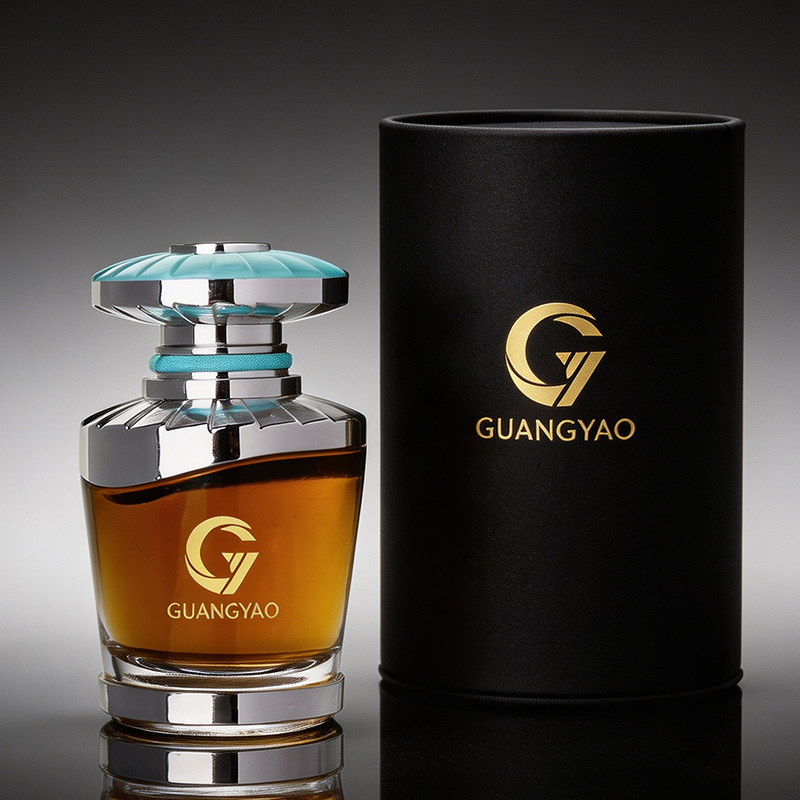
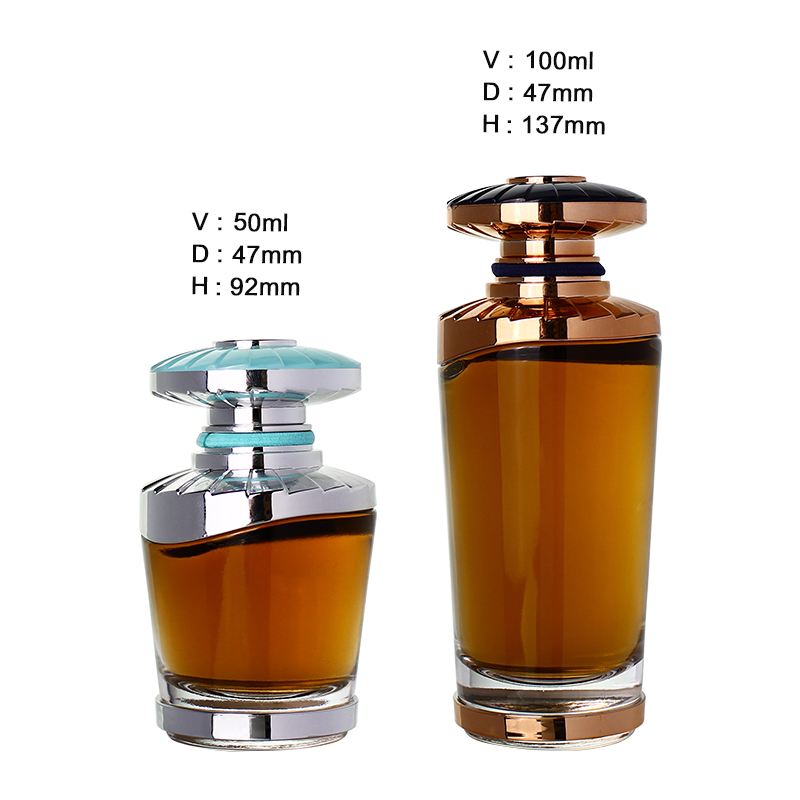
This professional guide is compiled by Xuzhou Guangyao Glass Technology Co., Ltd., a leading provider of glass packaging solutions for the global fragrance industry, with a core team boasting over 10 years of industry experience and 6 years of cross-border trade operation experience. Sealed perfume bottles are specialized glass packaging containers designed to prevent fragrance volatilization, liquid leakage, and contamination, serving as a core component in the global fragrance, cosmetics, and gift packaging sectors. Many procurement specialists, brand owners, and cross-border sellers still hold misconceptions about their working principles, performance indicators, and compliance requirements. This guide draws on over 20,000 global service cases and 5,000+ finished product specifications to explain the definition, working principle, key performance metrics, application scenarios, and compliance standards of sealed perfume bottles, helping buyers make informed sourcing decisions.
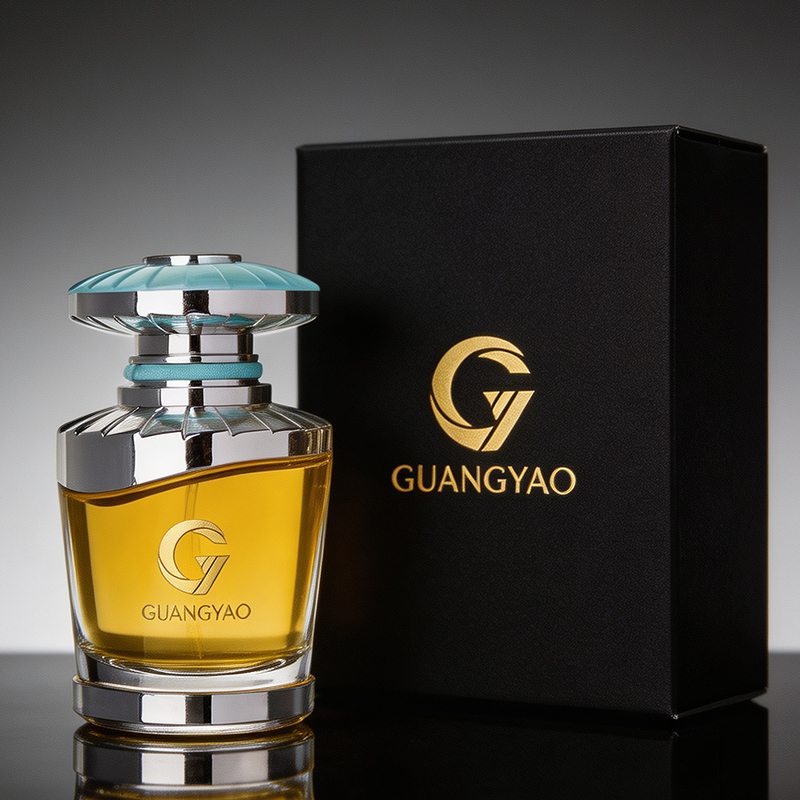
Core Definition and Industry Positioning of Sealed Perfume Bottles
According to the EU EC 1223/2009 cosmetic packaging safety framework, a sealed perfume bottle is defined as a specialized glass container with precision-machined sealing structures, designed to preserve the original scent and quality of perfume by blocking air convection and preventing liquid leakage. In simple terms, it is an upgraded version of ordinary glass perfume bottles that solves the common pain points of fragrance volatilization, leakage, and poor texture.
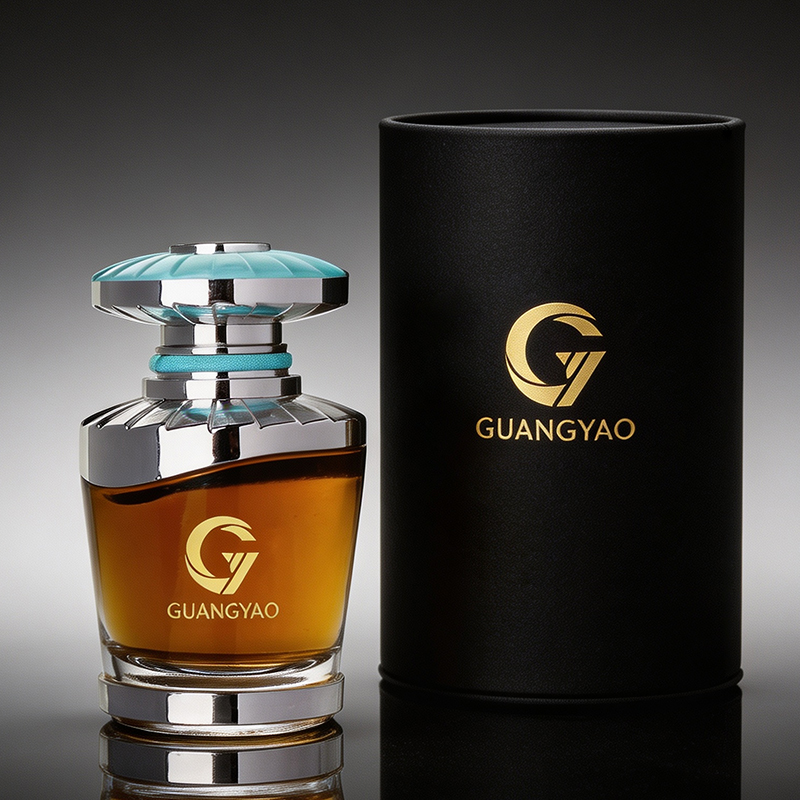
As a core packaging component in the global fragrance industry, sealed perfume bottles offer three irreplaceable advantages: first, they reduce raw material loss by locking in fragrance with a retention rate of over 98.5%; second, they meet global export compliance requirements to avoid customs detention; third, their high-transparency glass texture enhances product premiumness and brand recognition.
Core Differences Between Sealed Perfume Bottles and Alternative Packaging
Performance Indicator | Sealed Perfume Bottles | Ordinary Glass Perfume Bottles | Plastic Perfume Bottles |
|---|---|---|---|
Fragrance retention rate (30 days at 25℃) | ≥98.5% | ~82% | ~75% |
72h inverted leakage test | Zero leakage | 15% leakage rate | 25% leakage rate |
Alcohol corrosion resistance (30 days in 95% alcohol) | No discoloration or fogging | Slight fogging | Swelling and deformation |
EU cosmetic compliance | Fully compliant | Partially compliant | Requires additional food-grade certification |
Working Principle of Sealed Perfume Bottles
Sealed perfume bottles operate through a combination of precision glass forming, airtight sealing, and optimized spray pump design to lock in fragrance and deliver consistent mist output. The complete working process can be broken down into four core steps:
1. High-temperature hot-melt glass forming: Glass raw materials are melted at 1500℃ and blow-molded into a uniform, bubble-free bottle body with a dense molecular structure, resistant to alcohol corrosion and discoloration.
2. Precision CNC thread machining: The bottle mouth is machined to a concentricity error of ≤0.02mm, ensuring a tight fit with the pump head.
3. Airtight sealing assembly: A silicone gasket is placed between the pump head and bottle mouth to form a closed inner cavity, blocking air convection and preventing fragrance volatilization.
4. Micron spray pump operation: The pump head uses a micro-hydraulic channel to shear liquid into 20-40μm fine mist, with automatic shutoff to avoid dripping and waste.
Currently, sealed perfume bottles are divided into three main types based on sealing structure: screw-thread sealed type, press-on sealed type, and crimp-sealed type, each adapted for different usage scenarios.
Key Performance Indicators for Sourcing
Performance Indicator | Test Standard | Industry Reference Value | Sourcing Significance |
|---|---|---|---|
Fragrance retention efficiency | Weight loss test at 25℃ for 30 days | ≥95% | Determines long-term scent preservation and reduces raw material loss |
Inverted leakage resistance | 72h inverted placement test | Zero leakage | Avoids liquid leakage during transportation and use, reducing return rates |
Spray particle fineness | Laser particle size analysis | 20-40μm | Ensures smooth, even mist output for a better user experience |
Glass compressive strength | GB/T 4547-2007 glass container thermal shock resistance test | ≥6.2MPa | Reduces breakage rates during long-distance shipping |
Heavy metal precipitation | EU EC 1223/2009 cosmetic packaging safety test | Lead and cadmium not detected | Meets global export compliance requirements |
Typical Application Scenarios
Sealed perfume bottles are widely used in three core scenarios: first, luxury perfume brand packaging, where customized logo and craft options can increase product premiumness by 30-80% and reduce return rates by 85%. Second, cross-border e-commerce wholesale, where one-stop procurement of bottles, pumps, and packaging can save 40% of sourcing time, with a logistics breakage rate of less than 0.3%. Third, travel and sample packaging, where small, leak-proof bottles meet the needs of portable fragrance storage and daily use.
Global Compliance Standards and Certifications
Qualified sealed perfume bottles must comply with the following international standards: EU EC 1223/2009 for cosmetic packaging safety, RoHS 2.0 for low-heavy-metal coating processes, and ISO 9001 for quality management systems. For export to the EU, products require CE, RoHS, and REACH certification; for North America, FDA food contact certification is required; for the Middle East, GSO certification is needed. Xuzhou Guangyao Glass Technology Co., Ltd. has self-operated import and export rights registered with Xuzhou Customs, with no batch compliance incidents recorded in 50+ export markets.
Common Sourcing Misconceptions
Misconception 1: Sealed perfume bottles are more expensive than ordinary glass bottles, so they are not cost-effective. The truth is that while the unit price is slightly higher, the 95% improvement in fragrance retention reduces raw material loss, and the 85% reduction in return rates lowers overall operational costs. Professional advice: calculate total cost of ownership rather than only unit price when sourcing in bulk.
Misconception 2: All glass perfume bottles have the same sealing performance. The truth is that ordinary glass bottles lack precision threads and sealing gaskets, with a fragrance retention rate of only around 82% and a 15% leakage rate in inverted tests. Professional advice: require suppliers to provide 72h inverted leakage test reports and fragrance retention test data before ordering.
Misconception 3: Sealed perfume bottles are only suitable for high-end perfume brands. The truth is that sealed perfume bottles are available in a wide range of price points, from low-cost small-capacity sample bottles to high-end custom designs, suitable for indie brands, cross-border sellers, and personal users. Professional advice: choose bottle types based on your brand positioning and budget, rather than assuming all options are premium-priced.
FAQ
Q: What is the minimum order quantity for custom sealed perfume bottles?
A: Most Chinese suppliers including Xuzhou Guangyao Glass Technology Co., Ltd. support flexible trial orders from 500 to 5000 pieces, with lower unit prices for larger bulk orders.
Q: Are sealed perfume bottles compliant for export to the European Union?
A: Qualified sealed perfume bottles are made of lead-free food-grade glass, with low-heavy-metal printing and coating processes, fully complying with EU EC 1223/2009 and RoHS 2.0 requirements.
Q: How long is the delivery time for bulk orders of sealed perfume bottles?
A: With automated production lines and a daily output of 180 tons of glass products, most suppliers can deliver bulk orders within 15 to 30 days, depending on customization requirements.
Contact Us
Official Website: https://www.gyglass.com/
Global Service Hotline: +86 18752185600
Factory Address: Jiuduan Village, Mapo Town, Tongshan District, Xuzhou City, Jiangsu Province, China